
Why Your AV Integrator Delivered Exactly What You Asked For — And That's the Problem

Your AV integrator delivered exactly what you asked for. The problem is what you asked for was not specific enough. Why a weak AV integrator brief creates every downstream problem.
Chris Gore | Updated 2026
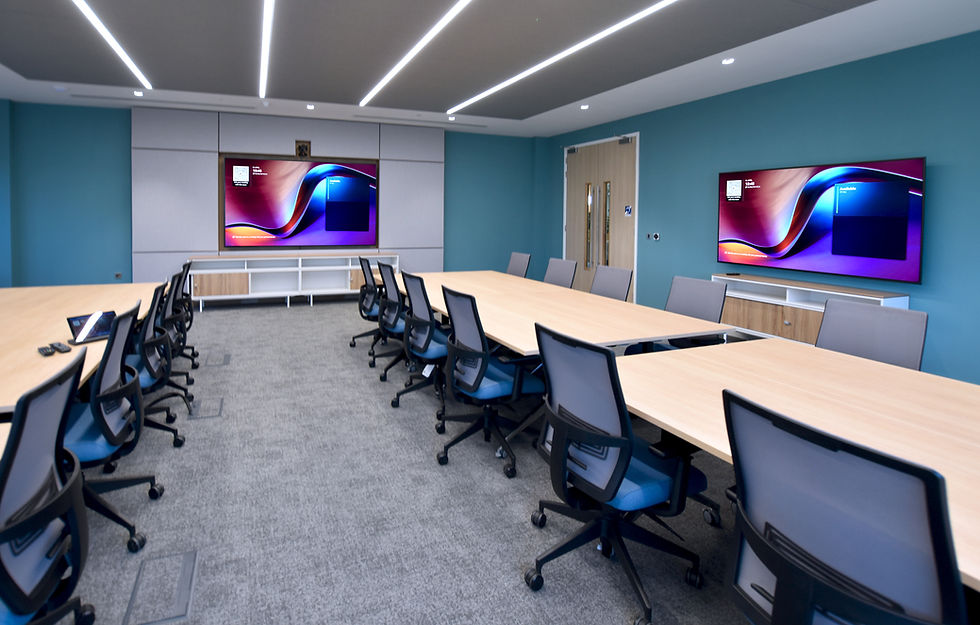
An AV integrator can only deliver what they have been asked to deliver. If the brief said install a video bar, a display and a room booking panel, that is what will be installed. If the brief did not specify commissioning, training, ongoing monitoring or a formal SLA, none of those things will be included. The brief is the contract. What is not in the brief is not in scope.
Most AV project problems that surface six to twelve months after handover are not caused by a bad AV integrator. They are caused by an incomplete brief. This guide covers what a complete AV integrator brief actually includes and why the gap between what most organisations ask for and what they actually need is where almost every downstream problem originates.
What Most AV Integrator Briefs Include
Most briefs received by AV integrators cover three things. The number of rooms. The approximate budget. The platform — Teams or Zoom. Sometimes room dimensions are included. Sometimes not. This is enough information to produce a quote. It is not enough information to produce a room that works the way it needs to.
What is almost always missing
Commissioning requirements — camera presets, microphone tuning, calendar integration testing, control system programming
Training requirements — who needs to be trained, at what level, before what deadline
Monitoring requirements — whether proactive monitoring is needed and what platform it will run on
SLA requirements — response times by fault category, resolution time commitments, escalation procedures
Warranty management requirements — what happens when a device fails out of warranty
Use case detail — how the room is actually used, not just how many people it holds
Infrastructure requirements — existing cabling, network access, ceiling height, acoustic properties
Why the AV Integrator Brief Gap Creates Every Downstream Problem
A brief that specifies hardware but not commissioning produces a room that is installed but not configured. Camera presets that were never set. Microphone sensitivity that was never tuned. Calendar integration that was tested once and assumed to be working. The hardware is capable of delivering a good experience. Nobody told the AV integrator to configure it to do so.
A brief that specifies installation but not monitoring produces a room that performs well on day one and drifts over time without anyone noticing. Firmware falls behind. A device goes offline at 2am. Nobody knows until the CEO presses start on Monday morning.
A brief that does not specify an SLA produces a support arrangement with no commitments and no consequences when things go wrong. The AV integrator delivered exactly what was asked for. The problem is what was asked for did not include what was needed.
What a Complete AV Integrator Brief Actually Includes
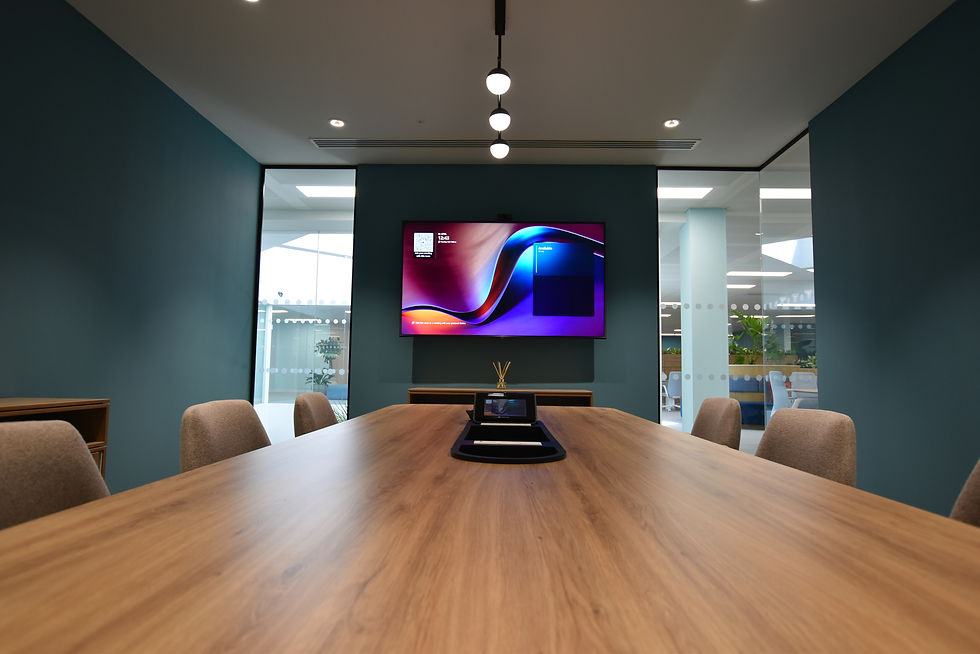
Room detail beyond headcount
Dimensions, length, width, ceiling height. Existing infrastructure, cable routes, network access points, power positions. Acoustic properties, hard surfaces, glass coverage, ceiling type. Lighting, natural light sources, existing controls. Access constraints, delivery routes, lift dimensions, working hours restrictions.
Use case detail beyond platform
How the room is primarily used — video calls, presentations, workshops, client meetings. Who uses it, technical staff, board level, external clients. How frequently, daily, weekly, occasionally. What workflows matter most, whiteboarding, wireless presentation, dual display, recording.
Commissioning specification
Camera presets for each seating configuration. Microphone sensitivity to be tuned during commissioning. Calendar integration to be tested before handover. Platform certification to be confirmed. Training session to be delivered to named users before go-live.
Post-handover requirements
Whether proactive monitoring is required and through what platform. SLA commitments by fault category. Warranty management process. Firmware update responsibility. Escalation contact for out-of-hours faults. None of these appear in a room after installation unless they are in the brief. Use the AV brief generator to produce a structured brief that covers all of these before any supplier conversation.
How a Good AV Integrator Closes the Brief Gap
The brief sets the scope. A good AV integrator does not just execute the brief as written, they identify the gaps and ask the questions that surface the requirements the organisation has not thought to specify. A site survey that confirms room dimensions, acoustic properties and infrastructure before any specification is written. A discovery conversation that covers use case, user profile and post-handover requirements before pricing.
SPOR Group conducts a site survey on every project before producing a specification. The survey confirms everything the brief should have included but typically has not. The brief is the starting point. The survey is where the actual specification is built. For independent guidance on whether your brief is covering everything it needs to, use the AV report quiz.
Want to Make Sure Your Brief Covers Everything Before Any Supplier Conversation? Use the AV brief generator to produce a complete structured brief in minutes — covering use case, commissioning, SLA and monitoring requirements. |
Frequently Asked Questions
Why did my AV project not deliver what I expected?
In most cases, the AV integrator delivered exactly what the brief specified. The problem is the brief did not include commissioning requirements, post-handover monitoring, SLA commitments or detailed use case information. What is not in the brief is not in scope.
What should an AV integrator brief include?
Room dimensions, ceiling height and infrastructure details. Use case and user profile beyond just headcount and platform. Commissioning requirements covering camera presets, microphone tuning and calendar integration. Post-handover requirements covering monitoring, SLA, warranty management and firmware responsibility.
What is the difference between installation and commissioning in an AV brief?
Installation is the physical fitting of hardware. Commissioning is the configuration of every device for the specific room — camera presets, microphone sensitivity, calendar integration, platform certification testing and staff training. A brief that specifies installation but not commissioning will produce a room that has hardware in it but is not configured to perform.
How do I write a better brief for an AV project?
Use the SPOR Group AV brief generator to produce a structured brief that covers room detail, use case, commissioning requirements and post-handover needs. Or read the how to brief an AV company guide for the full detail on what to include and what gets missed.


Comments