
Maximize Productivity: Essential Tips for Conference Room Meetings

I hope you enjoy reading this blog post. If you want my team design your workplace technology solution, click here.
Author: Chris Gore| Co Founder of SPOR Group
Published April, 2026
Unlock the full potential of your conference room meetings with essential tips designed to boost productivity and foster collaboration among your team.
Key Takeaways
Set a clear agenda before the meeting — define objectives and share them with attendees in advance so everyone arrives prepared and the discussion stays on track.
Invite the right people, not everyone — keep attendance focused on those directly relevant to the objectives; too many people kills focus.
Sort the tech before the meeting starts — AV and connectivity issues are a silent meeting killer. Check everything works beforehand.
Keep people engaged during the meeting — assign roles (facilitator, note-taker, timekeeper), use interactive elements, and create space for honest dialogue.
Follow up with clear action items — decisions without owners and deadlines die in the room. Document, assign, and track everything after the meeting ends.

Understanding the Importance of Conference Room Meetings
Conference room meetings are an integral part of any organization, serving as a platform where ideas are exchanged, strategies are formulated, and decisions are made. They represent a space where teams can come together, away from the distractions of their individual workstations, to focus on collective goals and objectives. This shared space can foster a sense of unity and purpose, making it an invaluable tool for enhancing productivity and collaboration.
However, the significance of conference room meetings extends beyond mere collaboration. These meetings can also serve as a critical touchpoint for leadership to communicate important updates, align team members on company goals, and address any challenges that may be hindering progress. When conducted effectively, conference room meetings can be a powerful vehicle for driving organizational success, ensuring that everyone is on the same page and working towards common objectives.
Moreover, conference room meetings provide an opportunity for employees to voice their opinions and contribute to the decision-making process. This inclusivity not only boosts morale but also encourages a culture of innovation and continuous improvement. By understanding the importance of these meetings and approaching them with the right strategies, organizations can maximize their effectiveness and derive significant value from them.
Common Challenges Faced in Conference Room Meetings
Despite their potential benefits, conference room meetings often come with a set of challenges that can hinder their productivity. One of the most common issues is a lack of clear objectives and agendas. Without a well-defined purpose, meetings can quickly become unstructured and meander off-topic, wasting valuable time and leaving participants feeling frustrated and disengaged. This lack of direction can also lead to confusion and misunderstandings, further complicating the decision-making process.
Another prevalent challenge is poor time management. Meetings that run over their allotted time can disrupt schedules and create a sense of urgency and stress among attendees. Conversely, meetings that are too short may not allow sufficient time for meaningful discussion and problem-solving. Striking the right balance is crucial to ensuring that meetings are both efficient and effective, allowing participants to achieve their goals without feeling rushed or overwhelmed.
Additionally, technological issues can pose significant obstacles to productive conference room meetings. From malfunctioning equipment to connectivity problems, technical difficulties can derail a meeting and consume valuable time and resources. Ensuring that the necessary technology is in place and functioning properly is essential to maintaining the flow of the meeting and preventing unnecessary interruptions. By addressing these common challenges head-on, organizations can create a more conducive environment for productive and impactful conference room meetings. We onboard all of our clients to the SPORTrack platform which works with our clients technology to proactively and remotely monitor and manage all of their devices. This keeps the rooms online when you need them most.

Preparing for a Successful Meeting
Preparation is key to the success of any conference room meeting. A well-prepared meeting not only sets the stage for productive discussions but also ensures that all participants are aligned and ready to contribute. One of the first steps in preparing for a successful meeting is to clearly define its purpose and objectives. Understanding what you hope to achieve will guide the planning process and help keep the meeting focused and on track.
Creating a detailed agenda is another crucial aspect of meeting preparation. An agenda outlines the topics to be discussed, the order in which they will be addressed, and the time allocated for each item. This structure helps to keep the meeting organized and ensures that all important issues are covered. Distributing the agenda to attendees in advance gives them the opportunity to prepare their thoughts and contributions, leading to more meaningful and productive discussions.
Lastly, it's essential to ensure that all necessary materials and resources are prepared and available. This may include reports, presentations, or any other documents that will be referenced during the meeting. Additionally, ensuring that the conference room is equipped with the required technology and that all equipment is functioning properly can prevent technical difficulties and keep the meeting running smoothly. By taking these preparatory steps, you can set the foundation for a successful and productive conference room meeting.
Setting Clear Objectives and Agendas
Setting clear objectives and agendas is a fundamental aspect of conducting productive conference room meetings. Objectives provide a sense of direction and purpose, helping to focus the discussion and ensure that all participants are working towards a common goal. When setting objectives, it's important to be specific and realistic, clearly outlining what you hope to achieve by the end of the meeting. This clarity helps to keep the meeting on track and prevents it from devolving into aimless conversation.
The agenda serves as a roadmap for the meeting, guiding the discussion and ensuring that all relevant topics are addressed. A well-structured agenda should include a list of discussion items, the order in which they will be addressed, and the time allocated for each item. Prioritizing the most important topics and allocating sufficient time for them can help to ensure that critical issues are thoroughly discussed and resolved. Additionally, including time for open discussion or Q&A can provide an opportunity for participants to raise any concerns or questions that may not have been covered in the agenda.
Distributing the agenda to attendees in advance allows them to prepare their thoughts and contributions, leading to more informed and productive discussions. It also provides an opportunity for participants to suggest any additional items that may need to be included. By setting clear objectives and creating a detailed agenda, you can provide structure and focus to your conference room meetings, maximizing their effectiveness and productivity.

Choosing the Right Attendees
Choosing the right attendees is a critical factor in ensuring the success and productivity of conference room meetings. Inviting the appropriate individuals ensures that the meeting is focused and that the right expertise and insights are available to address the topics at hand. When selecting attendees, it's important to consider who will be most impacted by the meeting's outcomes and who can contribute valuable input to the discussion.
Start by identifying the key stakeholders who have a vested interest in the meeting's objectives. These individuals are likely to have valuable insights and perspectives that can contribute to the decision-making process. Additionally, consider including team members who have the relevant expertise or experience to provide informed input on the topics being discussed. Their specialized knowledge can help to ensure that the discussion is well-rounded and that all important aspects are considered.
It's also important to strike a balance between inclusivity and efficiency. While it's important to involve all relevant stakeholders, inviting too many participants can lead to a crowded and unfocused meeting. Limiting the number of attendees to those who are directly relevant to the meeting's objectives can help to keep the discussion focused and productive. By carefully selecting the right attendees, you can ensure that your conference room meetings are both efficient and effective.
Utilizing Technology to Enhance Meetings
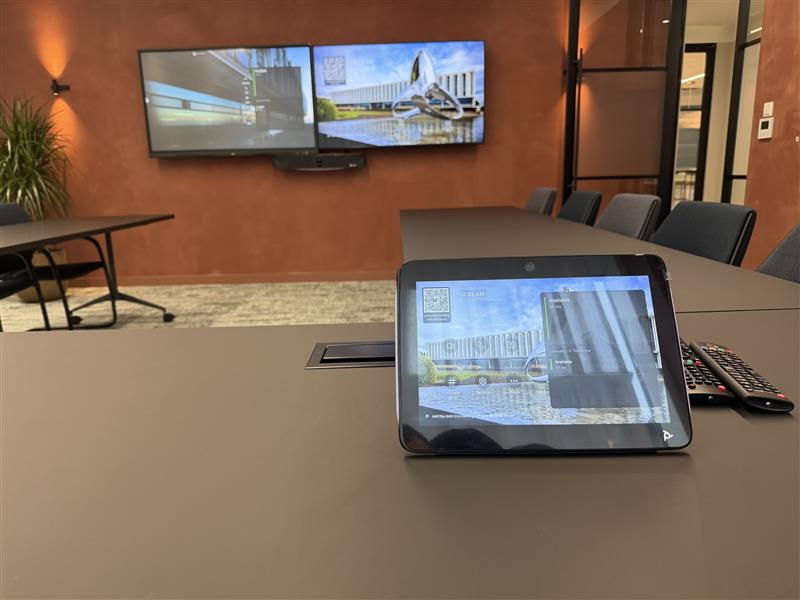
In today's digital age, technology plays a crucial role in enhancing the productivity and effectiveness of conference room meetings. From video conferencing tools to collaborative software, leveraging the right technology can facilitate seamless communication, streamline processes, and improve overall meeting outcomes. One of the primary benefits of utilizing technology in meetings is the ability to connect with remote participants. Video conferencing tools such as Zoom, Microsoft Teams, or Google Meet allow team members to join meetings from anywhere in the world, ensuring that all relevant stakeholders can participate regardless of their physical location.
Collaborative software tools such as Slack, Trello, or Asana can also enhance meeting productivity by providing a platform for real-time collaboration and information sharing. These tools allow participants to share documents, track action items, and communicate efficiently, both during and after the meeting. By centralizing information and facilitating easy access, collaborative software can help to keep everyone on the same page and ensure that important details are not overlooked.
Additionally, utilizing technology such as interactive whiteboards or digital presentation tools can enhance the engagement and interactivity of meetings. These tools allow for dynamic presentations, real-time annotations, and interactive discussions, making it easier to convey complex information and keep participants engaged. By leveraging the right technology, organizations can enhance the productivity and effectiveness of their conference room meetings, ensuring that they are both efficient and impactful. Use our pricing estimator to get an estimated AV price for all of your meeting rooms within 60 seconds.
Effective Communication Strategies
Effective communication is the cornerstone of productive conference room meetings. Clear and concise communication ensures that all participants understand the topics being discussed, the decisions being made, and the actions required. One of the key strategies for effective communication in meetings is active listening. This involves fully focusing on the speaker, understanding their message, and responding thoughtfully. Active listening helps to ensure that all participants feel heard and valued, fostering a collaborative and respectful environment.
Another important communication strategy is to encourage open and honest dialogue. Creating a safe space where participants feel comfortable sharing their thoughts and opinions can lead to more meaningful and productive discussions. Encouraging questions and feedback can also help to clarify any misunderstandings and ensure that everyone is on the same page. Additionally, summarizing key points and decisions at the end of each discussion item can help to reinforce understanding and ensure that there is no ambiguity.
Non-verbal communication is also an important aspect of effective communication.
Maintaining eye contact, using positive body language, and being mindful of tone and expression can all contribute to a more engaging and respectful interaction. By employing these effective communication strategies, you can enhance the quality of discussions and ensure that your conference room meetings are both productive and collaborative.

Strategies for Engaging Participants
Engaging participants is essential for maximizing the productivity of conference room meetings. When participants are actively engaged, they are more likely to contribute valuable insights and stay focused on the discussion. One effective strategy for engaging participants is to start the meeting with a brief icebreaker or team-building activity. This can help to set a positive tone, build rapport among team members, and encourage active participation from the outset.
Another strategy is to assign roles and responsibilities to participants. For example, designating a facilitator to guide the discussion, a timekeeper to manage the meeting schedule, and a note-taker to document key points and decisions can help to keep the meeting organized and ensure that everyone is actively involved. Additionally, rotating these roles among team members can provide an opportunity for everyone to contribute and take ownership of the meeting's success.
Interactive elements such as polls, quizzes, or brainstorming sessions can also help to keep participants engaged. These activities encourage active participation and can provide valuable insights that contribute to the discussion. Encouraging participants to ask questions, share their opinions, and provide feedback can also foster a more dynamic and collaborative environment. By employing these strategies, you can enhance participant engagement and ensure that your conference room meetings are both productive and enjoyable.

Post-Meeting Follow-Up and Action Items
The work doesn't end when the meeting does. Post-meeting follow-up is a critical component of ensuring that the discussions and decisions made during the meeting translate into actionable outcomes. One of the first steps in post-meeting follow-up is to distribute meeting minutes or a summary of key points and decisions. This documentation provides a reference for participants and ensures that everyone is clear on what was discussed and what actions are required.
Assigning action items and responsibilities is another important step in post-meeting follow-up. Clearly outlining who is responsible for each task, along with deadlines and any necessary resources, helps to ensure accountability and keeps the project moving forward. Using collaborative tools such as project management software can help to track progress and provide visibility into the status of each action item.
Regular check-ins and updates can also help to ensure that action items are being addressed and that any challenges are promptly identified and resolved. Scheduling follow-up meetings or progress reviews can provide an opportunity to assess the status of action items, address any roadblocks, and make any necessary adjustments to the plan. By prioritizing post-meeting follow-up and action items, you can ensure that your conference room meetings lead to tangible results and drive organizational success.
Lastly, cutting corners to save costs can be detrimental in the long run. While it's important to stay within budget, opting for cheap materials, furniture, or technology can lead to frequent repairs, replacements, and ultimately higher costs over time. Invest in high-quality materials and products that offer durability and longevity. Additionally, ensure that all work is carried out by qualified and experienced professionals to avoid any potential issues with construction or installation. By avoiding these common mistakes, you can ensure a successful office fit out that meets your goals and provides a functional and inspiring workspace.
Conclusion: Transforming Conference Room Meetings into Productive Sessions
Transforming conference room meetings into productive sessions requires a combination of careful planning, effective communication, and strategic follow-up. By understanding the importance of these meetings and addressing common challenges, organizations can create a more conducive environment for collaboration and decision-making. Preparing thoroughly, setting clear objectives and agendas, and choosing the right attendees are foundational steps that set the stage for success.
Leveraging technology and employing effective communication strategies can further enhance the productivity and engagement of meetings. Interactive elements, role assignments, and active listening all contribute to a more dynamic and collaborative environment. Finally, prioritizing post-meeting follow-up and action items ensures that the discussions and decisions made during the meeting translate into tangible outcomes.
By implementing these essential tips, organizations can unlock the full potential of their conference room meetings, fostering a culture of collaboration, innovation, and continuous improvement. With the right approach, conference room meetings can become a powerful tool for driving organizational success and achieving collective goals.


Comments