
The Complete AV Integration Lifecycle: 5 Stages Every Business Must Know
- chrisgore10
- Feb 9
- 4 min read
Implementing AV integration within a business environment is not a simple plug-and-play operation. The process requires structured planning, technical expertise, and ongoing management to ensure systems function as intended. Understanding the complete AV integration lifecycle allows organizations to make informed decisions, allocate resources effectively, and avoid costly missteps.
The lifecycle consists of five distinct stages, each serving a critical function in delivering a workplace technology solution that meets operational requirements. From initial consultation through long-term support, every phase builds upon the previous one to create a cohesive system.
Stage 1: Needs Assessment and Consultation
The foundation of any successful AV integration begins with thorough needs assessment. During this phase, AV professionals engage directly with stakeholders to define objectives, functional requirements, budget parameters, and aesthetic considerations.
The consultation process examines the physical environment in detail. Room dimensions, acoustic properties, ambient lighting conditions, and intended usage patterns all influence system design. A conference room AV setup for hybrid meetings demands different specifications than a training facility or executive boardroom.

Budget and timeline expectations are established early. Clients must determine whether the solution prioritizes future-proofing capabilities or cost-effectiveness within current operational needs. These decisions shape the entire project trajectory.
Key questions addressed during consultation:
What specific problems does the AV system need to solve?
How many users will interact with the system daily?
What level of technical proficiency do users possess?
Are there existing systems requiring integration?
What compliance or security standards must be met?
The needs assessment phase prevents scope creep and ensures all parties maintain aligned expectations throughout the project.
Stage 2: System Design and Engineering
Once requirements are documented, the design phase translates business needs into technical specifications. AV engineers select appropriate equipment, create detailed schematics, and develop integration plans that account for every system component.
Design considerations extend beyond equipment selection. Audio quality, video resolution, network bandwidth requirements, control interfaces, and compatibility with existing infrastructure all factor into the engineering process. The design must accommodate current needs while allowing for reasonable future expansion.
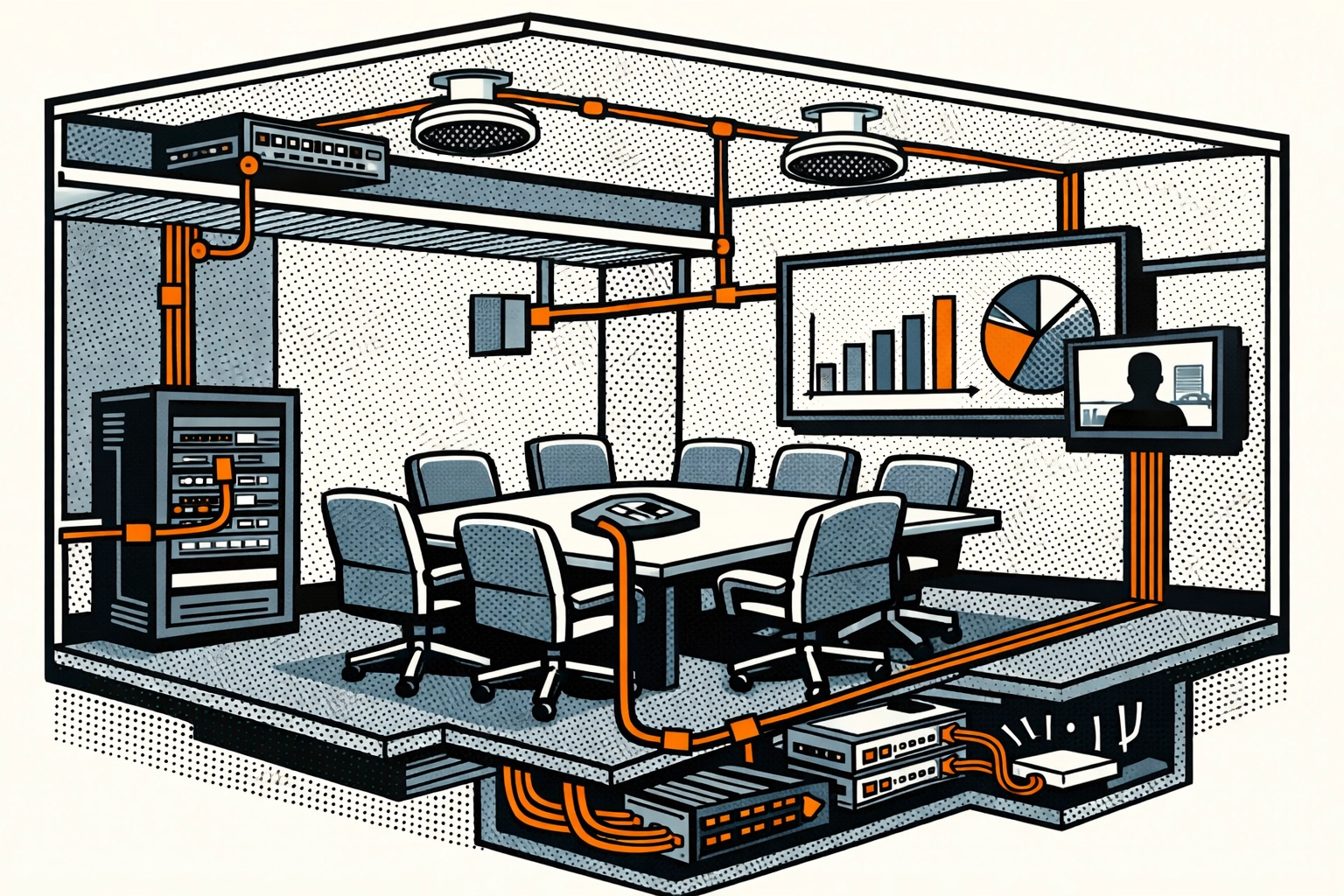
System architecture diagrams provide visual representation of how components interconnect. These schematics serve as blueprints for installation teams and documentation for ongoing maintenance. Detailed design work eliminates ambiguity and reduces installation errors.
The design phase also produces accurate cost projections and realistic timelines. When clients review the proposed system design, they see exactly what will be delivered, when it will be completed, and what investment is required.
Stage 3: Procurement and Project Management
With design finalized and approved, procurement begins. AV integrators leverage industry relationships to source equipment efficiently, often securing better pricing and delivery terms than clients could achieve independently.
Project management coordinates the various moving parts. Multiple vendors, shipping schedules, site access requirements, and construction timelines must align for successful implementation. Dedicated project management ensures nothing falls through the cracks.
This stage includes:
Equipment ordering and tracking
Delivery coordination
Vendor communication
Schedule management
Budget monitoring
Risk mitigation planning
Effective project management prevents delays that cascade through subsequent phases. When equipment arrives on schedule and all stakeholders remain informed, installation proceeds smoothly.
Stage 4: Installation and Integration
The installation phase transforms design documents into functioning systems. Certified technicians mount displays, install speakers, run cables, configure network infrastructure, and connect all components according to specifications.
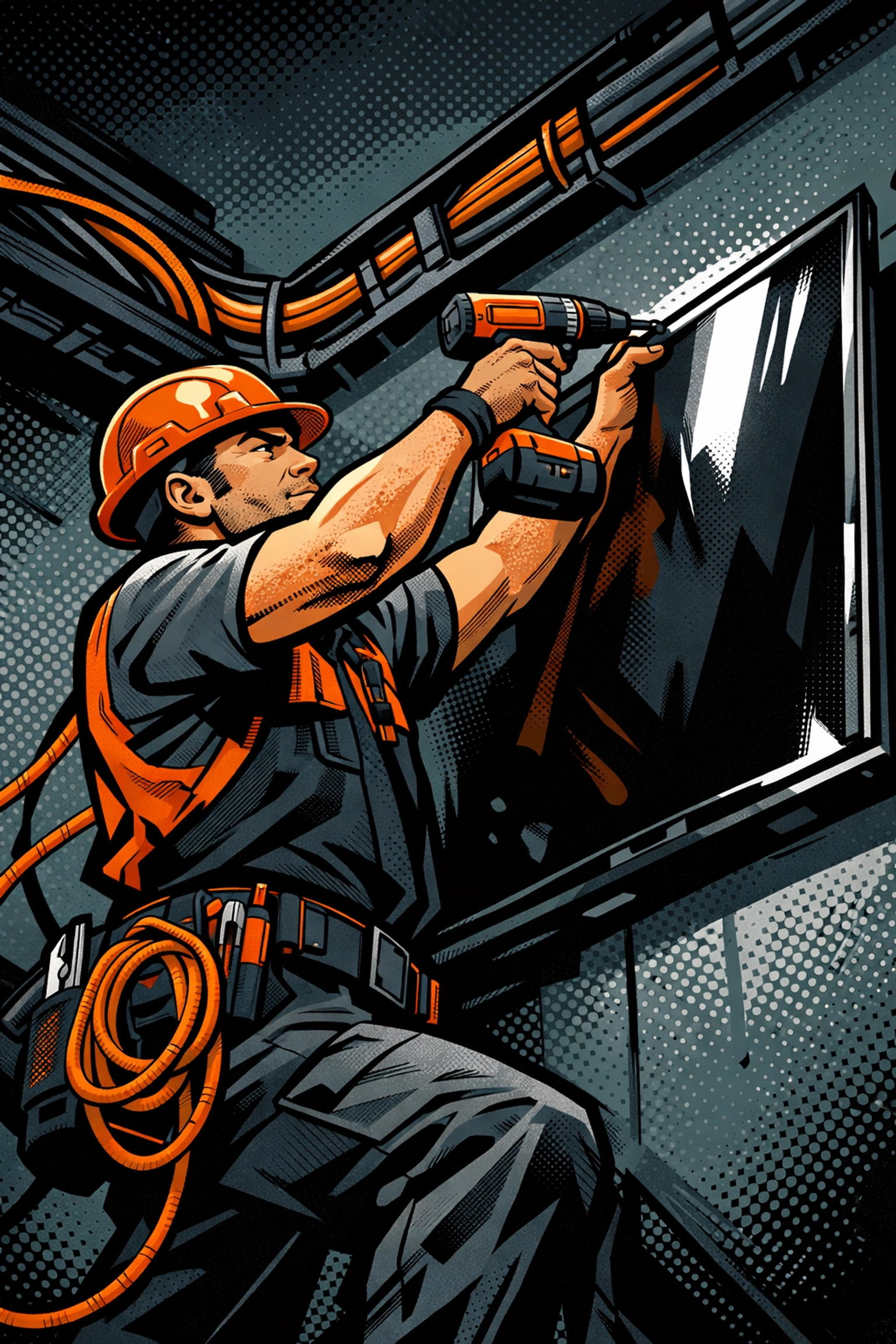
Proper cable management maintains clean aesthetics and facilitates future maintenance. Strategic placement of speakers and displays optimizes audio-visual performance for the specific space. Every installation decision affects long-term system reliability and user experience.
Integration extends beyond physical installation. Systems must connect with existing IT infrastructure, building controls, and other operational technology. Testing protocols verify that all components communicate correctly and perform to specification.
Calibration fine-tunes system performance. Audio levels are balanced, video displays are color-corrected, and control interfaces are programmed for intuitive operation. Rigorous testing identifies issues before users encounter them.
The installation team documents final configurations, creating as-built drawings that reflect any deviations from original design plans. This documentation proves invaluable for troubleshooting and future modifications.
Stage 5: User Training and Support
Even the most sophisticated AV system provides limited value if users cannot operate it effectively. Comprehensive training sessions familiarize staff with system capabilities, control interfaces, and troubleshooting procedures.
Training is tailored to audience technical proficiency. Executive users may require streamlined instruction focused on core functions, while IT staff need deeper technical knowledge for system administration and basic troubleshooting.
Effective training covers:
System startup and shutdown procedures
Input source selection
Volume and display controls
Videoconferencing operations
Common troubleshooting steps
When to contact support
Ongoing support ensures system longevity. Regular maintenance visits identify potential issues before they cause disruptions. Software updates maintain security and add functionality. Hardware refresh cycles prevent obsolescence.
Support agreements define response times, coverage hours, and escalation procedures. Clear service level agreements set appropriate expectations and ensure business continuity when issues arise.
Timeline Expectations for AV Integration Projects
Understanding realistic timelines prevents frustration and allows proper planning. A typical conference room AV integration requires 10-12 weeks from signed agreement to system completion. Larger projects involving multiple spaces or complex custom integration demand 16-20 weeks or longer.
Timeline factors include:
Equipment lead times
Site access restrictions
Coordination with other trades
Permitting requirements
Testing and commissioning duration
Rush projects rarely deliver optimal results. Adequate time for each lifecycle stage ensures quality outcomes and reduces the likelihood of costly rework.
SPOR has refined the integration process through years of experience across diverse environments. From small meeting rooms to large-scale corporate installations, the five-stage lifecycle provides structure that delivers consistent results. Organizations investing in workplace technology benefit from understanding this process and partnering with integrators who execute it rigorously.
Want to see how professional AV integration transforms real workspaces? Visit the SPOR YouTube channel for project walkthroughs, technology insights, and practical implementation examples. Subscribe to stay current on workplace technology trends and integration best practices.


Comments